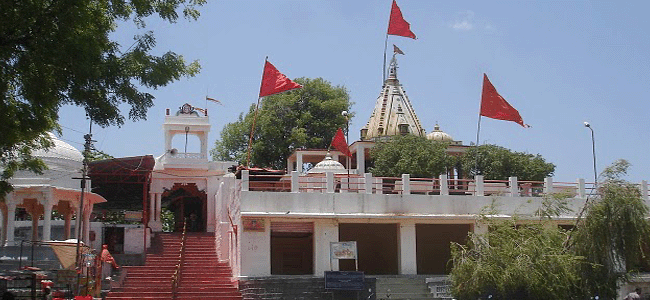
About Mangalnath Temple, Ujjain
Shri Mangalnath Temple is located on the banks of the Shipra River, away from the busy centre of Ujjain. It is dedicated to Lord Shiva and is one of the city’s important religious destinations.
The temple has a special place in Hindu tradition because Mangal (Mars) is believed to have originated at this sacred location. The Matsya Purana is associated with this belief, which has made Mangalnath an important pilgrimage destination for devotees interested in the worship of Mangal Graha.
Unlike temples that are primarily visited for a particular Jyotirlinga or Shakti tradition, Mangalnath is especially known for the connection between Lord Shiva, the planet Mars and traditional Vedic astrology.
Why Is Mangalnath Temple Famous?
Mangalnath Temple is particularly known for three reasons:
- Birthplace of Mangal: According to the Matsya Purana tradition, Ujjain’s Mangalnath is associated with the origin of Mars.
- Worship of Lord Shiva: Mahadev is the presiding deity worshipped at the temple.
- Mangal-related rituals: Devotees visit to offer prayers associated with Mangal Graha and traditional astrological beliefs.
Planning Mangal Dosh Pooja in Ujjain?
Enquire about traditional Mangal Dosh Nivaran Pooja arrangements in Ujjain. Assistance can include pandit coordination and pooja samagri arrangements, depending on the selected ritual.
The temple also offers a peaceful view of the Shipra River and is an important stop for visitors exploring the spiritual heritage of Ujjain.
History and Mythological Significance of Mangalnath Temple
The religious identity of Mangalnath Temple is closely connected with the Matsya Purana and traditional accounts of the origin of Mangal (Mars).
The birthplace of Mars according to the Matsya Purana
The Ujjain District Administration describes Mangalnath as the birthplace of Mars according to the Matsya Purana.
In Hindu mythology, Mangal is associated with Prithvi (Earth) and is also known as Bhauma. A popular account describes Mangal’s origin through a drop of Lord Shiva’s perspiration that fell upon the Earth.
The story is associated with Lord Shiva’s battle with the demon Andhakasura. The divine drop gave rise to Mangal, who became associated with the planet Mars.
This is a religious and mythological account, not a scientific explanation of the planet’s formation.
Ujjain and ancient astronomy
Ujjain has an important place in the history of Indian astronomy and traditional timekeeping.
The city was historically associated with astronomical calculations and the use of a reference meridian in Indian mathematical astronomy. Mangalnath’s location and its association with observing Mars contributed to its religious and astronomical identity.
The Ujjain District Administration notes that the temple was traditionally considered a suitable place for observing the planet because of its clear view of the sky.
It is useful to understand this as a historical association with Indian astronomy, rather than claiming that the temple is a modern astronomical observatory or the world’s prime meridian.
Religious Significance of Lord Mangal
In Vedic astrology, Mangal (Mars) is one of the Navgrahas, or nine planetary deities.
Mangal is traditionally associated with:
- Courage and confidence
- Energy and determination
- Strength and initiative
- Property and land-related matters
- Competition and action
- Traditional interpretations of marriage and relationships
Explore Ujjain Temples with Local Taxi Assistance
Planning to visit Mangalnath, Sandipani Ashram, Mahakaleshwar and other temples? Enquire about local taxi arrangements for your Ujjain sightseeing trip.
In astrology, Mars is considered a significant planet when interpreting a birth chart. Its placement and relationship with other planets are studied by astrologers according to different schools of Jyotish.
These are traditional astrological interpretations and should not be treated as scientifically established predictions.
What Is Mangal Dosh?
Mangal Dosh, also called Manglik Dosh or Kuja Dosha, is a concept in traditional Vedic astrology.
It is generally discussed when Mars occupies certain houses in a person’s birth chart. Different Jyotish traditions use different rules and methods to assess the condition, its strength and possible exceptions.
Some traditional interpretations associate Mangal Dosh with marriage compatibility, relationships and domestic life.
However, a Manglik placement should not automatically be treated as a guarantee of marriage problems or an unfortunate future. A complete horoscope assessment considers the entire birth chart rather than a single planetary placement.
Why do devotees visit Mangalnath for Mangal-related worship?
Because Mangalnath is traditionally associated with the origin of Mars, devotees visit the temple to offer prayers to Lord Shiva and seek blessings related to Mangal Graha.
Tuesday, or Mangalwar, is traditionally considered an auspicious day for Mangal worship. The Ujjain District Administration also notes that special worship takes place at the temple on Tuesdays.
Mangal Dosh Pooja and Traditional Rituals
Devotees interested in Mangal-related worship may enquire about traditional rituals such as:
Mangal Graha Shanti Pooja
This is a traditional ritual performed with prayers and mantras associated with Mangal Graha. The procedure may include sankalp, mantra chanting, offerings and other elements according to the priest’s prescribed vidhi.
Mangal Dosh Nivaran Pooja
This ritual is performed by devotees who follow the traditional Jyotish practice of seeking blessings for Mangal-related concerns.
The exact procedure depends on the priest, family tradition and the nature of the worship being arranged.
Navgrah Shanti Pooja
Navgrah Shanti is a broader form of worship associated with all nine planetary deities. It may be considered when a devotee wishes to perform a wider planetary prayer rather than a ritual focused only on Mars.
Mangal Jaap
Mangal Jaap involves the traditional chanting of mantras associated with Mangal Graha. The mantra, number of repetitions and other arrangements should be confirmed with the priest.
Important: These are religious practices based on traditional beliefs. No ritual can guarantee marriage, financial, health or other life outcomes.
Why Is Tuesday Important at Mangalnath Temple?
Tuesday is traditionally associated with Mangal Graha in Hindu religious and astrological practices.
Many devotees visit Mangalnath Temple on Tuesdays to offer prayers and participate in special worship.
The Ujjain District Administration notes that special worship is performed at the temple every Tuesday and attracts large numbers of devotees.
If you prefer a quieter visit, consider checking the local crowd situation before travelling, especially during festivals and special religious occasions.
Temple Architecture and Location
Mangalnath Temple has a relatively simple traditional temple structure. Its religious setting is enhanced by its location overlooking the Shipra River.
The surroundings are different from the crowded central temple areas of Ujjain. The river, open landscape and approach road contribute to the quieter atmosphere associated with the temple.
The temple is also a useful place to understand the connection between Ujjain’s religious geography, traditional astronomy and worship of the Navgrahas.
Darshan Timings and Visitor Information
The temple is visited throughout the week, with Tuesdays attracting particularly large gatherings.
Published online schedules differ. I could not confirm a consistent current daily timetable from the Ujjain District Administration. Therefore, visitors should check the temple committee’s current information or confirm locally before travelling.
Official temple website:
Shri Mangalnath Mandir official website
Before visiting:
- Confirm the current opening and closing timings.
- Ask locally about Aarti and special pooja schedules.
- Check the procedure and availability of any ritual you wish to perform.
- Follow the temple’s instructions regarding offerings and photography.
- Allow extra time if visiting on a Tuesday or festival day.
How to Reach Mangalnath Temple
Mangalnath Temple is situated on the northern side of Ujjain, on the banks of the Shipra River.
By Train
Ujjain Junction is the main railway station. Visitors can hire a local taxi or auto-rickshaw to reach Mangalnath Temple.
By Air
The nearest major airport is Devi Ahilyabai Holkar Airport in Indore. The Ujjain District Administration lists the airport at approximately 53 km from the temple.
Visitors can continue their journey by road from Indore.
By Road
The temple is approximately 5 km from central Ujjain, according to the district administration. Local taxis, auto-rickshaws and private vehicles can be used to reach the temple.
Places to Visit Near Mangalnath Temple
Mangalnath Temple can be included in a wider Ujjain temple sightseeing plan.
1. Sandipani Ashram
Sandipani Ashram is associated with the traditional account of Lord Krishna, Balarama and Sudama studying under Guru Sandipani.
Read more: Sandipani Ashram Ujjain.
2. Gadkalika Temple
Gadkalika Temple is dedicated to Maa Kalika and is traditionally associated with the poet Kalidasa.
Read more: Gadkalika Temple Ujjain.
3. Mahakaleshwar Jyotirlinga
Mahakaleshwar is one of the twelve Jyotirlingas of Lord Shiva and the most prominent pilgrimage destination in Ujjain.
Read more: Mahakaleshwar Temple and Bhasma Aarti Guide.
4. Ram Ghat
Ram Ghat is an important bathing ghat on the Shipra River and is associated with Ujjain’s religious bathing and evening Aarti traditions.
Read more: Ram Ghat Ujjain.
5. Harsiddhi Temple
Harsiddhi Temple is one of Ujjain’s important Shakti shrines and is known for its distinctive Deep Stambhs.
Read more: Harsiddhi Temple Ujjain.
Suggested Ujjain Temple Sightseeing Plan
If you have a few hours available, you can combine Mangalnath Temple with other nearby religious destinations.
A possible sequence is:
- Mangalnath Temple
- Sandipani Ashram
- Gadkalika Temple
- Mahakaleshwar Temple
- Harsiddhi Temple and Ram Ghat
The actual sequence should be adjusted according to temple timings, traffic and your starting point.
Useful Tips for Visitors
- Tuesday is a popular day for Mangal-related worship and can be crowded.
- Confirm the current darshan and pooja schedule before travelling.
- If you want a specific ritual, confirm its procedure, venue, duration and charges in advance.
- Wear comfortable and respectful clothing.
- Carry drinking water, particularly during hot weather.
- Follow local instructions near the Shipra River.
- Combine your visit with nearby temples if you are planning a Ujjain sightseeing trip.
Frequently Asked Questions About Mangalnath Temple
1. Where is Mangalnath Temple located?
Mangalnath Temple is located on the banks of the Shipra River in Ujjain, Madhya Pradesh.
2. Why is Mangalnath Temple famous?
The temple is famous because it is regarded as the birthplace of Mangal (Mars) according to the Matsya Purana tradition. It is dedicated to Lord Shiva and is an important centre for Mangal-related worship.
3. Which planet is associated with Mangalnath Temple?
The temple is associated with Mangal, the planet Mars, in Hindu religious and astrological traditions.
4. Who is the main deity of Mangalnath Temple?
Lord Shiva, or Mahadev, is the presiding deity worshipped at Mangalnath Temple.
5. Why is Tuesday important at Mangalnath Temple?
Tuesday is traditionally associated with Mangal Graha. Special worship is performed at the temple on Tuesdays, according to the Ujjain District Administration.
6. Is Mangalnath Temple associated with Mangal Dosh?
Yes. Devotees following traditional Vedic astrology visit the temple for prayers and rituals associated with Mangal Dosh and Mangal Graha.
7. What is Mangal Dosh?
Mangal Dosh, also known as Manglik Dosh, is a traditional Vedic astrology concept associated with certain placements of Mars in a birth chart. Its interpretation varies across Jyotish traditions.
8. Which pooja is performed for Mangal Dosh?
Traditional practices may include Mangal Dosh Nivaran Pooja, Mangal Graha Shanti and Mangal Jaap. The appropriate ritual should be discussed with a knowledgeable priest.
9. What are the darshan timings of Mangalnath Temple?
Online timings differ, and a consistent current official daily schedule could not be confirmed. Check the official temple website or confirm locally before visiting.
10. How far is Mangalnath Temple from Mahakaleshwar Temple?
The distance depends on the road route. Both temples are in Ujjain and can be included in a local sightseeing plan.
11. How far is Mangalnath Temple from Indore Airport?
The Ujjain District Administration lists the nearest airport at approximately 53 km from the temple. Actual travel distance may vary by route.
12. Can I visit Mangalnath Temple and Sandipani Ashram together?
Yes. Both are in the same general part of Ujjain and can be included in a combined sightseeing plan.
13. Does Mangal Dosh Pooja guarantee marriage or relationship benefits?
No. Pooja is a religious practice based on traditional beliefs and cannot guarantee a particular marriage, relationship or life outcome.